Overcome Procrastination
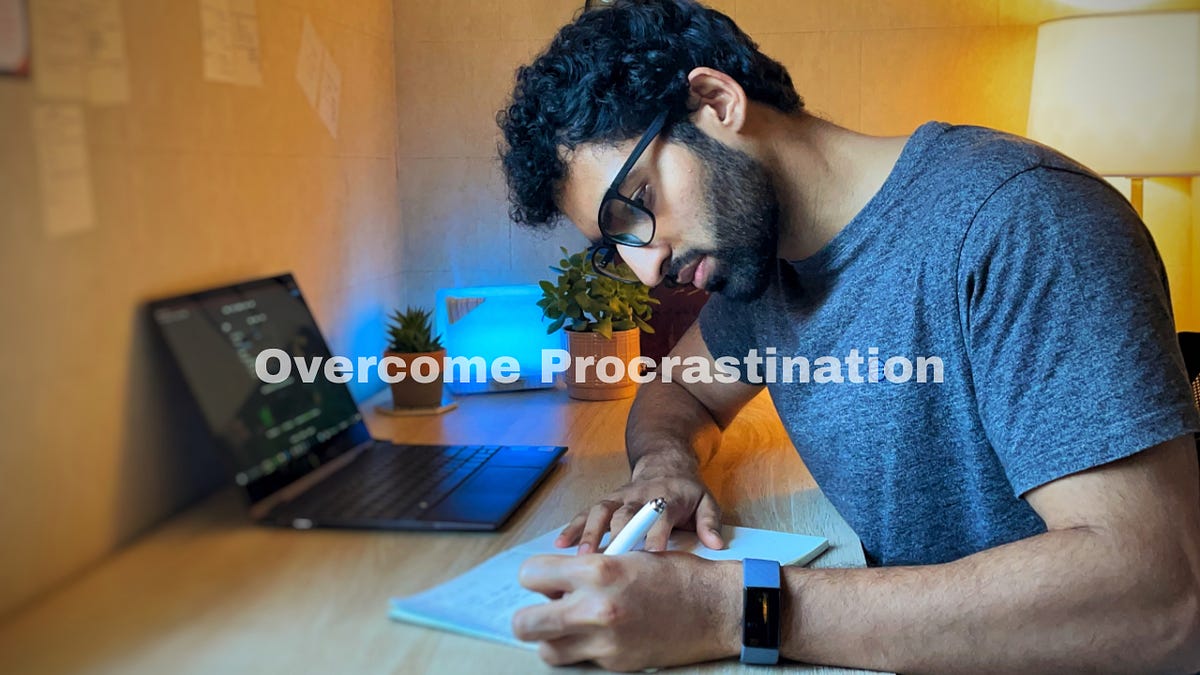
Procrastination can be a major barrier to achieving our goals and can lead to feelings of stress and overwhelm. Today I’m sharing some practical tips that help me stay on task in medical school.
Make a to-do list
One of the most effective ways to combat procrastination is to make a to-do list. Write down all the tasks you need to complete and prioritize them based on their importance and deadline. This will help you focus on what you need to do and give you a sense of accomplishment as you cross items off your list. It’s important to add leisure time, sleep, eating, praying and socialising to your to-do list. You’re less likely to procrastinate when you schedule your downtime, where you can do whatever you want, guilt-free.
Set achievable goals
Breaking down larger tasks into smaller, manageable ones can make them less daunting and easier to tackle. Instead of ‘Study’ I will write ‘Complete 100 new flashcards on Anki’, ‘Complete daily reviews on Anki’ and ‘Complete X lectures for Paediatrics’ in my to-do list. Studies have shown that setting more specific goals in your to-do list increases the chances of them being completed.
Set deadlines for each task and track your progress to stay motivated. These steps are crucial in maintaining productivity. My flashcard app (Anki) tracks my streak every day with this colour chart, which motivates me because I hate seeing blank days. I also keep this piece of paper on my wall to remind me how close my exam is, every morning I wake up and count down the days as a reminder that I need to work.
Remove distractions
Finding a quiet place to work and minimizing distractions is crucial to avoiding procrastination. Turn off your phone or use apps that block distracting websites to help you stay focused. I like to use Unhook for YouTube, it lets you hide everything except the search bar. I use YouTube to study but it can be distracting to see all my recommended videos. I also use OneSec on my iPhone to reduce my screen time. The best change I made was leaving my phone on Do Not Disturb (DND) and placing it in another room until I’m finished.
When I want to complete work I remove anything from my desk that doesn’t serve a purpose. Including my to-do list, plants, objects, decorations etc. I ONLY want to see my work, that’s it.
Use the Pomodoro technique
The Pomodoro technique involves working for 25 minutes and then taking a 5-minute break. Repeat this cycle 4 times and then take a longer break. This method helps you maintain focus and avoid burnout. I use this approach but I alter the times. My version is 90 minutes of work with a 20-minute break and I have a ‘no screen’ rule in my break - this forces me to go for walks, stretch, meditate and nap. Much healthier options than scrolling social media.
Get an accountability partner
Having someone to check in on your progress and hold you accountable for completing your tasks can be incredibly helpful in overcoming procrastination. Find a friend, colleague or mentor who can support you in your goals. I usually do this with a close friend or loved one. Simply telling them what I’m setting out to do at the beginning of the day and check in with them later. Personally, I’d rather not have the embarrassment of not following through with my word.
Reward yourself
Giving yourself a reward after completing a task or reaching a goal can be a powerful motivator. Treat yourself to something you enjoy, such as watching an episode of your favourite show or eating a nice meal. My favourite rewards for studying are going to the gym and cooking. Both activities help me relax and bring me joy, so it’s a win-win.
Just start
Sometimes, the hardest part is simply getting started. But once you begin working on a task, even if you don't feel like it, the momentum will often carry you through. A simple trick I use is 5-minute rule. Just tell yourself that you have to do the task for just 5 minutes. This gives you the activation energy to get started and once you’re 5 minutes in you realise it’s not so bad.
In conclusion, overcoming procrastination takes time and persistence, but with the right tools and strategies, it is possible to make progress and achieve your goals. Remember, be kind to yourself and celebrate your successes, no matter how small they may be. You won’t become a productivity master overnight, but if you practise these techniques I assure you they will help in the long run.
Originally published on Substack.