Master the Art of Napping
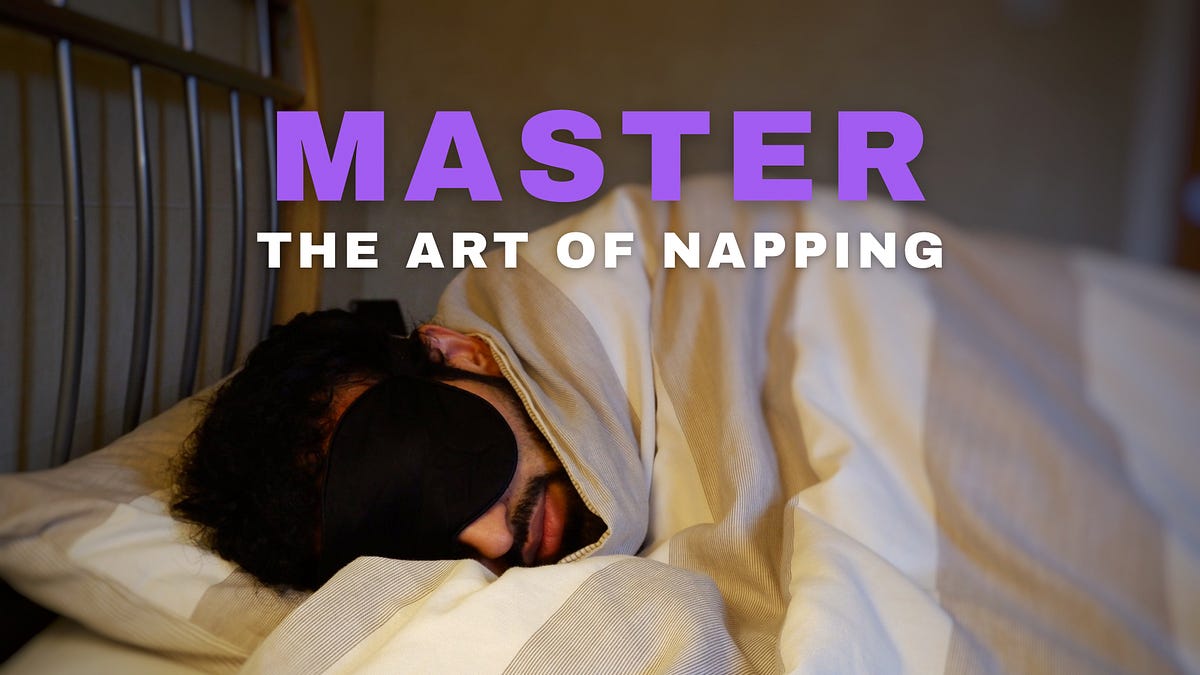
Napping is a great way to recharge and boost productivity. But not all naps are created equal. A bad nap can leave you feeling groggy and even more tired than before. I have been napping for 5+ years, to get the most out of your naps, follow these tips.
Set the environment
To nap successfully, you need a quiet, dark and comfortable environment. Find a quiet place where you won’t be disturbed. I like to play some background noise on my speaker, so it blurs out any noises that might wake me up. I use an eye mask to block out light, if you haven’t got an eye mask I would highly recommend one. Otherwise, install some blackout curtains in your bedroom. Light can affect your sleep even through your eyelids.
Timing is key
The ideal nap time is between 10 to 20 minutes. This allows you to get the benefits of a nap without entering into a deep sleep cycle. When you sleep for longer periods of time, you are more likely to feel groggy and disoriented upon waking up. If you take a 40-minute nap, chances are you have entered a sleep cycle which lasts approximately 90 minutes. If you wake up in the middle of a sleep cycle you have interrupted your body in the middle of a process. That’s why sometimes you might sleep for 7+ hours but still wake up unrested. Timing is key to sleep.
To find the optimum nap timing you need to experiment. Set a timer for 15 minutes and take a nap, see how you feel after and adjust accordingly. It initially took me a few weeks to figure out my optimum nap time which sits around 11-13 minutes these days.
You should know that when napping, it’s not essential to fall asleep. If you simply drift off and wake up again that’s normal. The act of falling asleep is more for the night's sleep. Power naps like this are designed to give your body and mind a short rest to recharge and get back to work again.
Choose the right time to nap
Napping in the late afternoon or evening can interfere with your nighttime sleep. The best time to nap is between 1-3 pm. This is when your body is naturally inclined to feel sleepy, making it easier to fall asleep and wake up refreshed. I use naps to split my day into 2, so this midday timing is ideal after a heavy morning study session.
Find the perfect position
Experiment with different positions to find the one that is most comfortable for you. When you’re asleep, your muscles become paralysed (that’s why you don’t act out your dreams in real life). I like to place a pillow under my knees to release tension from my lower back and legs, and I keep pillows under each arm too so there’s no tension there either. Try it. It’s incredibly relaxing.
Set a relaxing alarm
I’m not sure who invented alarm clocks, but having a loud, annoying alarm clock is very dangerous for your health. If you have that disgusting iPhone alarm clock I would recommend changing it for something more relaxing. When you wake up from a nap or sleep, you should not be jolted into tachycardia (increased heart rate). That is not healthy. You should have a calming awakening to ease you into the wakeful state. I think this is important to keep a healthy relationship between you and your sleep.
Be consistent
Consistency is key when it comes to napping. Try to nap at the same time every day to regulate your body’s circadian rhythm. This will make it easier to fall asleep and wake up refreshed. I can’t express this enough, your body likes routine. Humans are built for routine. Try to sleep, nap, eat, exercise and work at similar times every day and you will find practises like napping are a lot easier.
…
In summary, napping can be a great way to boost productivity and energy levels. To make the most of your nap, set the environment, time it right, choose the right position, set a relaxing alarm, and be consistent. By following these tips, you can make your naps a powerful tool for increased productivity and overall well-being.
Originally published on Substack.